
Arriving with a splash in early 1980, the Mattel Intellivision (a portmanteau of "Intelligent Television") was designed to go head-to-head with Atari's 2600. Featuring comparatively-advanced audio and video capabilities, the Intellivision was also designed with noteworthy expansion capabilities, including add-on modules to enable digitally-synthesized speech via the Intellivoice peripheral, or even expand the system into a full-fledged home computer. While never as commercially successful as its rival the Atari 2600, the Intellivision featured some incredibly fun and innovative games, such as Dracula, Defender, B-17 Bomber and Donkey Kong Jr. The Retro Roadshow is delighted to offer the chance to play on this beloved console.
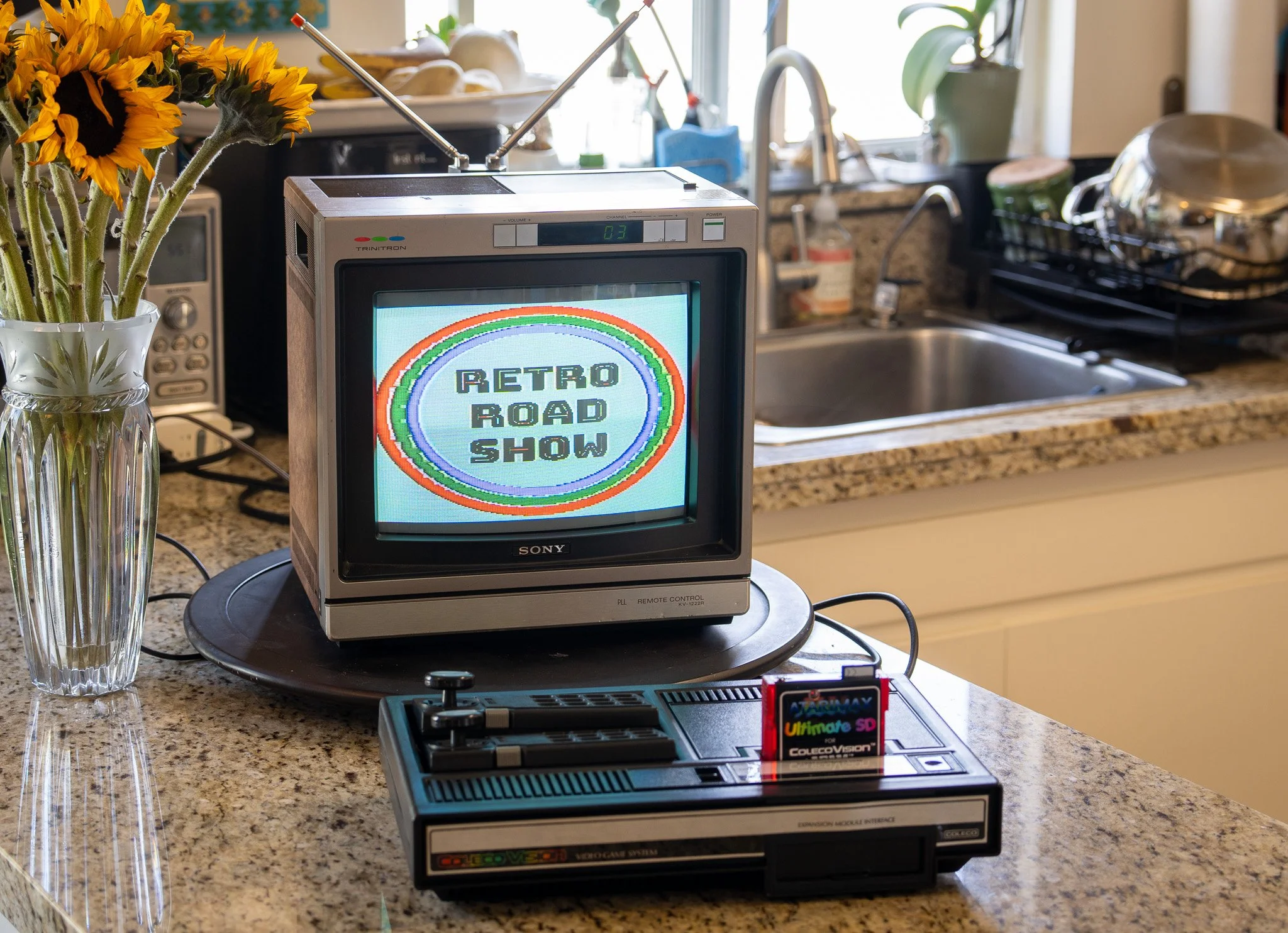
While it didn't sell nearly as many units as its rival Atari 2600, the ColecoVision set a new standard of arcade-like quality for home consoles. Released in 1982, the ColecoVision's advanced hardware allowed it to produce far more sophisticated graphics and sound than its main competitors, which is immediately apparent when viewing a game like "Donkey Kong" side-by-side on the ColecoVision, Atari 2600 and Intellivision - something which attendees at Retro Roadshow events can experience firsthand.
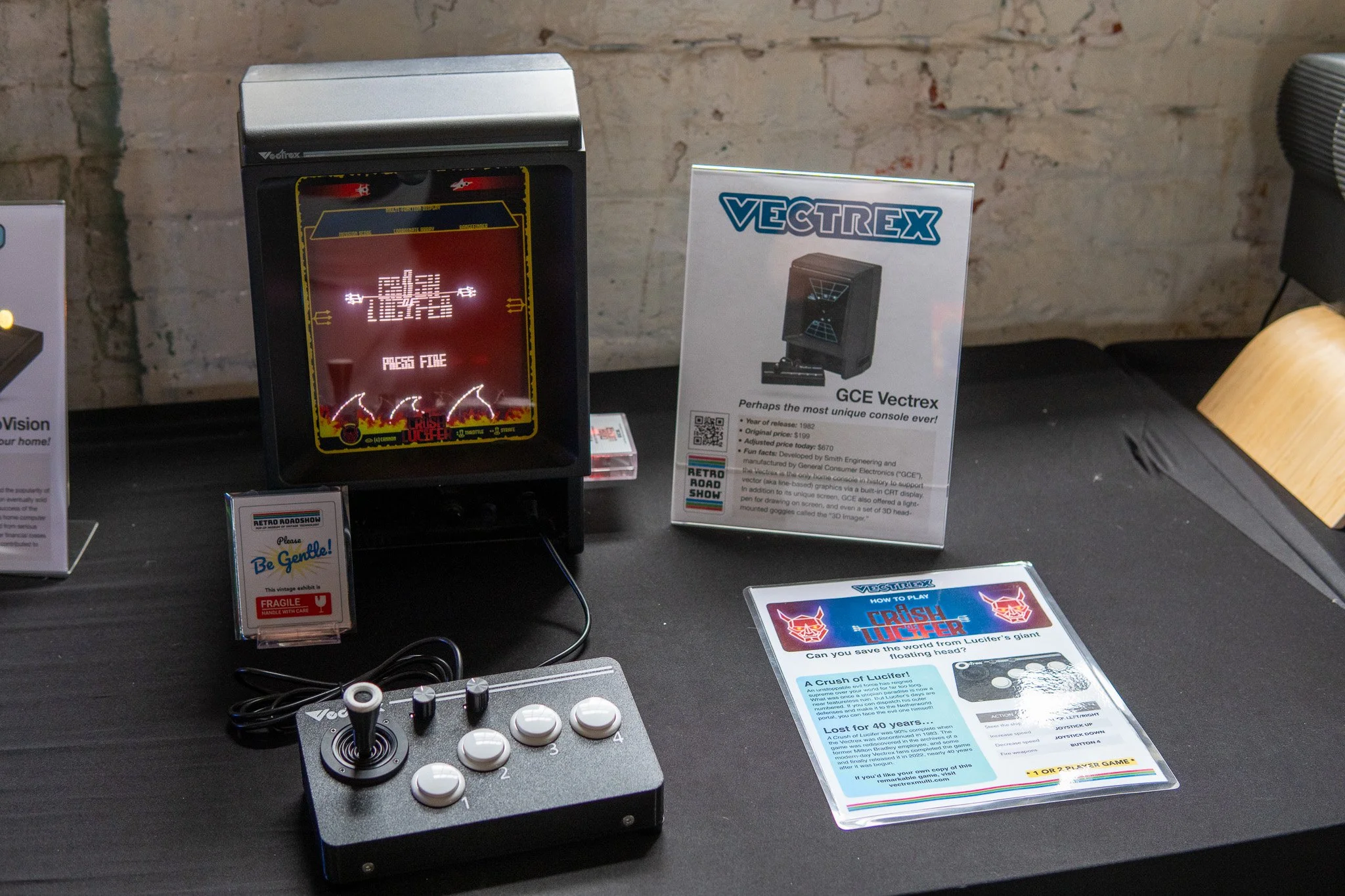
One of the first items ever added to the Retro Roadshow collection, the GCE Vectrex is a true oddity amongst home video game consoles. The Vectrex is a self-contained unit, with the most immediately-recognizable element being the built-in 9" CRT. Nearly every video game system in the past 40+ years has been built around "pixel graphics" - individual dots which combine to form an image. The Vectrex display is something else entirely: a "vector graphics" system in which all images are drawn as lines. This type of display was occasionally used for arcade games (Tempest and Asteroids are good examples), but the Vectrex is the only home console ever released which features this kind of display. Because the built-in screen was only capable of black-and-white images, each game cartridge came with a transparent sheet with colorful graphics printed onto it - gamers place these overlays over the CRT before playing, to "simulate" color. The Vectrex enjoyed modest success during it's brief time on the market, eventually offering 28 official game titles, plus a growing number of 'homebrew' titles released decades after the system was discontinued. Functional Vectrex units are a rarity in the modern era, and The Retro Roadshow is happy to be one of the few opportunities left for gamers to experience this incredibly unique system.

The TurboGrafx-16 was NEC's attempt to bring their wildly-successful PC Engine platform from Japan to the West. The PC Engine had achieved runaway success in Japan based on its cute design and a stellar library of unique games. Unfortunately, NEC's North American team made a series of blunders, including a questionable redesign of the system, and commissioning new (and generally much worse) cover art for their games. Despite these setbacks, the "TG-16" carved a niche for itself even while being obliterated by the far more successful Sega Genesis and Super Nintendo. Offering a fascinating library of unique games unavailable on competing platforms, the TG-16 is a must-play for fans of excellent, overlooked games. The Retro Roadshow is pleased to proved our attendees the opportunity to experience this remarkable system!

In early 1990’s era when competitors like the Super Nintendo, Sega Genesis, and TurboGrafx-16 were battling for the home-gaming market, SNK took a rather different approach: “what if we crammed the guts of our top-of-the-line arcade machine into a sleek home console?” Thus was born the SNK Neo Geo Advanced Entertainment System, or AES. Judging by pure specs alone, the AES is in a class of its own, capable of graphical and auditory sophistication far beyond its peers. As one of the rarest consoles ever released in North America, The Retro Roadshow is delighted to be able to share this incredible gaming experience with our attendees.

Conceived by entrepreneur and Electronic Arts founder Trip Hawkins, the 3DO was not a console manufactured by the company itself, but a series of specifications licensed to a range of manufacturers. Hoping to ride the massive hype-wave of the burgeoning "multimedia entertainment" market of the early 1990's, 3DO systems from several manufacturers eventually made it to market. Despite having a highly-promoted launch (including being named Time magazine's "1993 Product of the Year") and being a host of cutting-edge technologies, the 3DO's high price and an oversaturated console market prevented the system from achieving success comparable to veteran competitors Sega and Nintendo. As a result, it was discontinued in late 1996. Nevertheless, the 3DO platform was host to some interesting and unique games, including many of the best-reviewed ports of popular titles like "The Need For Speed," "Alone In The Dark," "Myst," "Road Rash," "Jurassic Park," and more. The Retro Roadshow is pleased to offer visitors the chance to experience this quirky, mostly-forgotten console.
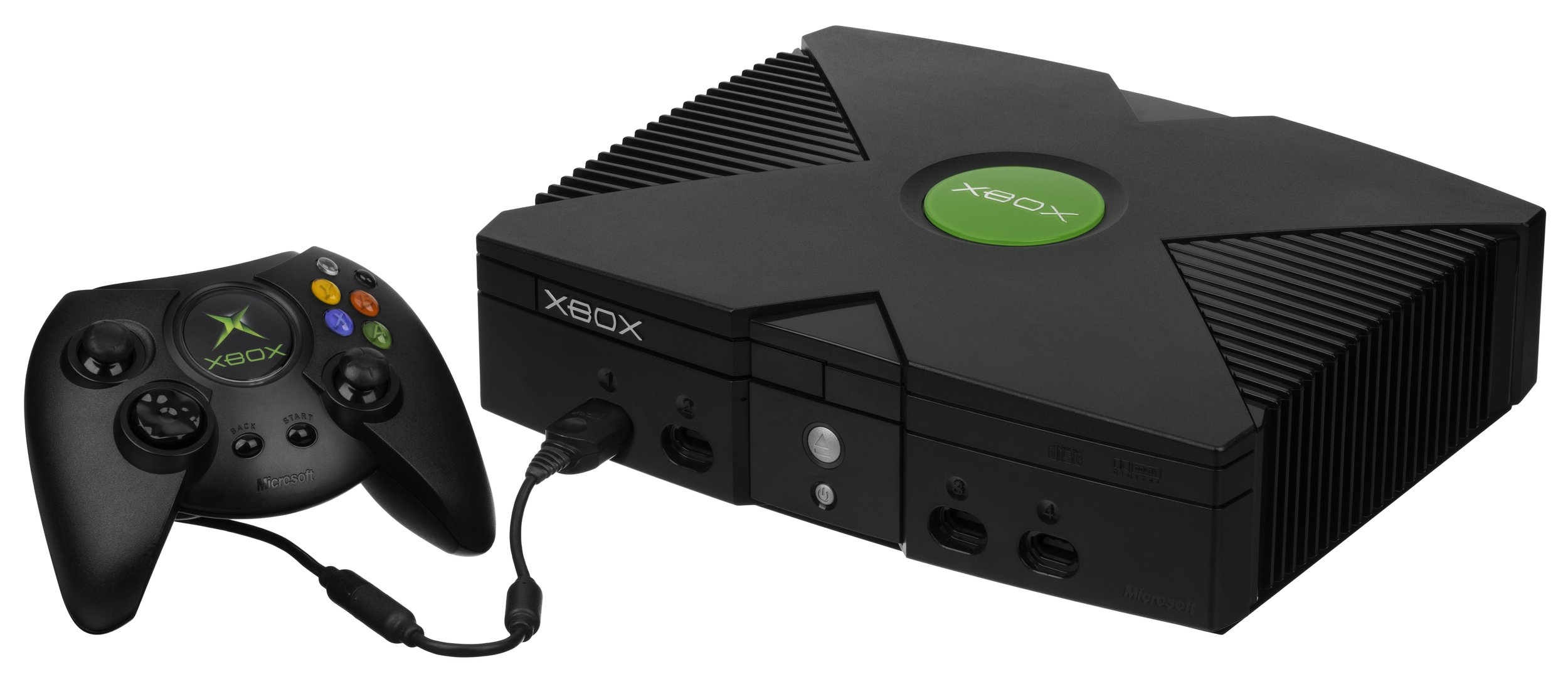
Microsoft spent decades of success growing the Intel-based PC platform into the dominant force in desktop computing, and with the original Xbox, they shifted their focus to video games. At heart a modified Pentium PC, the Xbox brought previously-unseen horsepower to home gaming, along with an impressive library of high-quality games, including the Halo series, Jade Empire, Crimson Skies, and more. The Retro Roadshow offers the opportunity to play the original Xbox, complete with its beloved (and almost hilariously large) "Duke" controller.