

Sega's Master System is often overshadowed by the vastly more successful Nintendo Entertainment System, but it holds a unique charm all its own. Capable of playing games from both traditional cartridges and also from slim credit-card-shaped ROM cards, the Master System's unique looks and library of quirky games have made it a beloved cult classic. It was released in North America in 1986 and limped along for a few years before being retired. Remarkably, a series of geopolitical events resulted in it gaining a massive fan base in Brazil where it continued to be produced for decades, making it the longest-lived console in history.
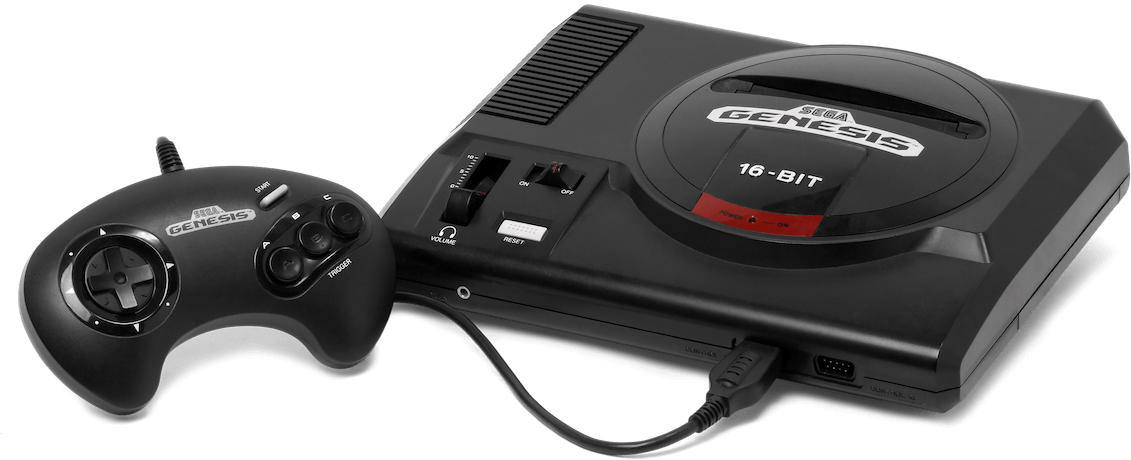
Marketed as the more mature, more "extreme" alternative to family-friendly Nintendo, the Sega Genesis was an innovative and powerful home console. Buoyed by the soaring popularity of Sonic The Hedgehog and also offering a range of titles not available elsewhere, the Sega used the Genesis to target older gamers who craved boundary-pushing content. Sega's edge attitude was certainly reflected in the popular slogan "Sega Does What Nintendon't!"

Released in 1993, the Sega Genesis Mark II simplified the console's hardware while updating its aesthetic to match Sega's more aggressive marketing style.
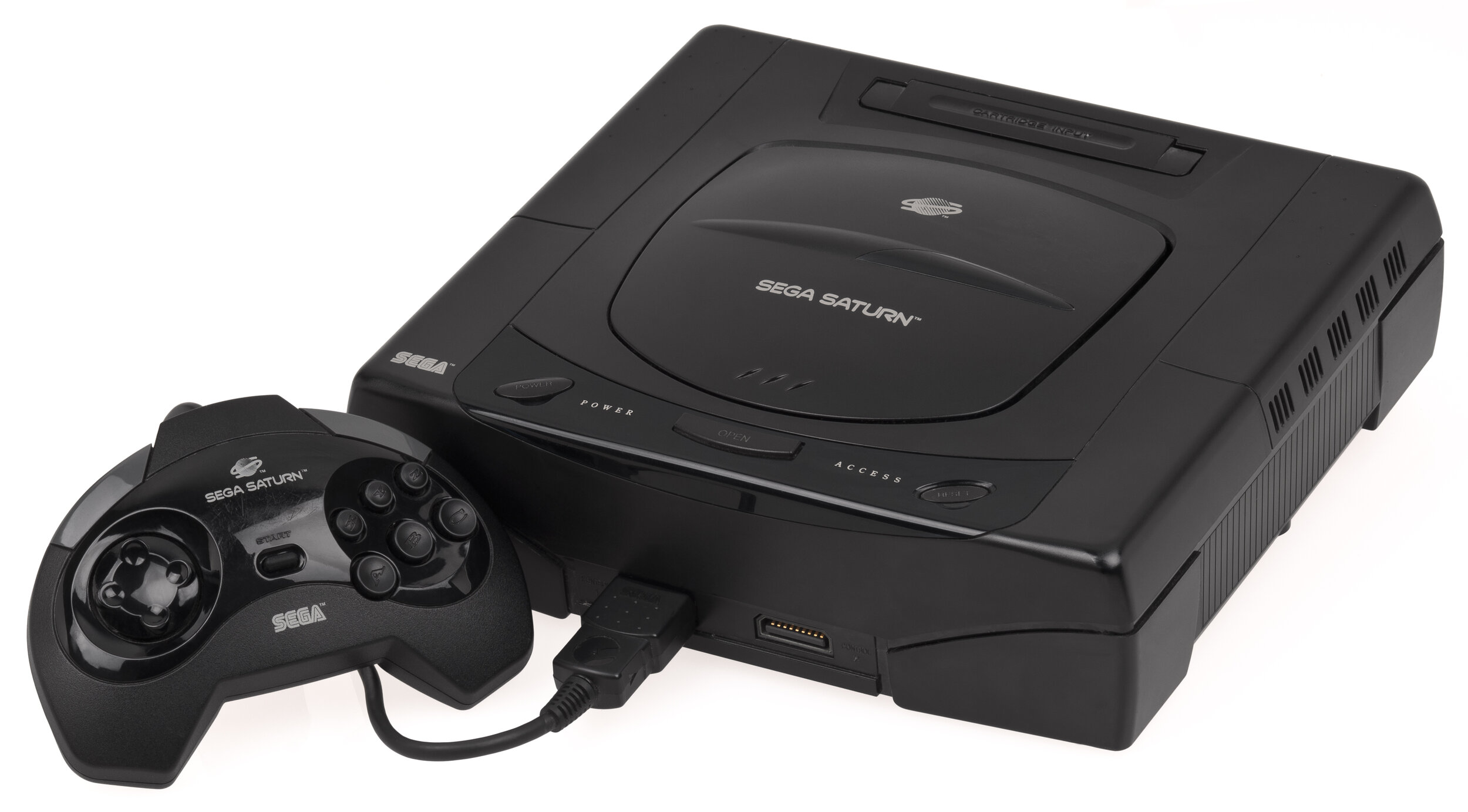
Hoping to compete with the first wave of CD-ROM based home consoles, Sega put all its marketing prowess behind the Sega Saturn. With a powerful but complicated architecture, the Saturn was well suited to pumping out 2D visuals... at the exact moment gamers were pivoting to 3D graphics. High prices, the lack of a blockbuster Sonic title, technical difficulties for developers, and fierce competition from Sony and Nintendo ultimately resulted in the Saturn being withdrawn from the market. Nevertheless, the Saturn is home to some truly stunning games which can't be played anywhere else, and visitors to the Retro Roadshow can enjoy them in person.

After learning some painful lessons with the Saturn, Sega set out to design a new console using familiar, inexpensive hardware and supported by an underlying software toolset provided by Microsoft. The Dreamcast enjoyed a successful U.S. launch but interest in the system steadily declined as Sony built hype for their upcoming PlayStation 2. Despite only lasting 3 years, the Dreamcast offered gamers an incredible range of unique experiences, including online multiplayer (a novel concept in the late 90's), a memory card which also functioned as a tiny gaming system, and many unusual controllers including digital maracas, a fishing controller, various light-guns, etc. The Dreamcast library contains many incredible games, including Crazy Taxi, Jet Set Radio, Phantasy Star Online, and Shenmue. Visitors to the Retro Roadshow can experience the Dreamcast firsthand.
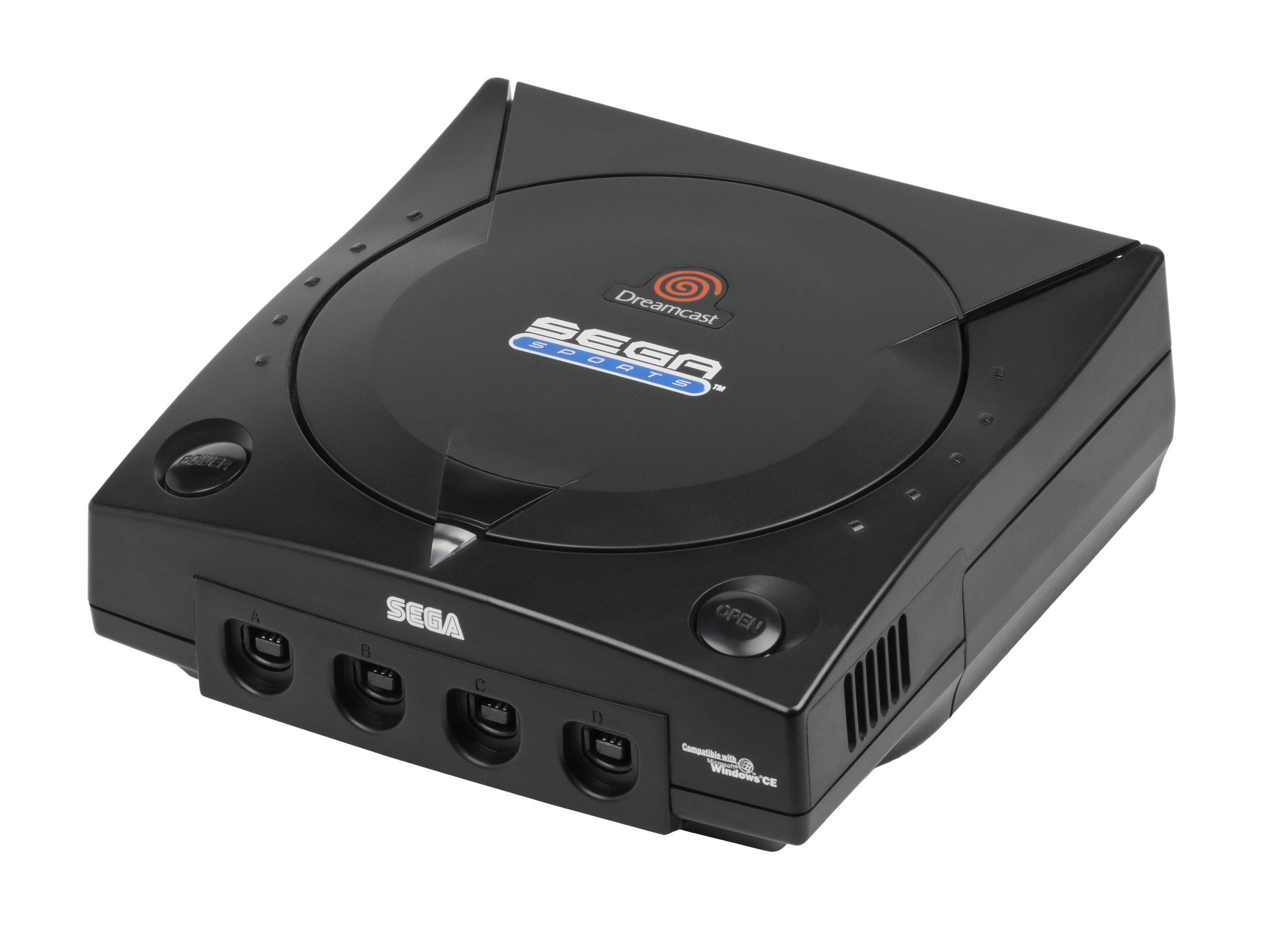
Hoping to capitalize on their successful line of sports games, Sega released a 'special edition' Sega Sports-themed Dreamcast. Although technically identical to a standard white Dreamcast, the Sega Sports model's sleek black enclosure and matching black controllers really set it apart.